
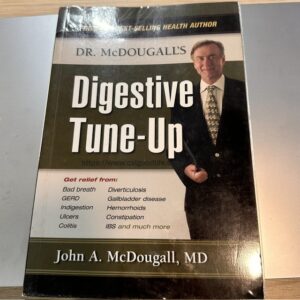
Food is the major determining factor in how we smell to others. - John A. McDougall, MD
我们身上散发出的气味,很大程度上取决于我们吃的食物。
—— John A. McDougall 医学博士
”妈妈,每次我上了体育课,流了大量的汗后,同学们都叫我臭豆腐。” 当时正在读小学的儿子难过的对我说。这句话深深地刺痛了我的心。
“Mom, every time I have PE class and sweat a lot, my classmates call me ‘stinky tofu.’”My son was in primary school when he said this to me. His words pierced my heart.
孩子年幼时,为了分担家计,我几乎每天都早出晚归,就连做一餐饭给家人吃的力气都没有。他3-6岁时吃的主要是幼儿园安亲班的食物。而他的学习成绩简直惨不忍睹,这导致他6岁时必须重读幼儿园5岁的课程。有一次在家长日的时候,幼儿园的校长说他很好动,问我是不是时常给他吃糖果。其实他并不吃糖果,原因是有一次幼儿园一位小朋友生日,派了一包糖果给每一位同学带回家。他回家后说:“妈妈,我要把这袋糖果吃完。” 我说:”吃完会生病哦。“ 但他坚持要吃,结果隔天真的生病了。那次之后他再也不碰糖果。他六岁时,皮肤粗的像砂纸,平均每周排便两次。当时,我没有发现他的汗有异味,只是身体排出的气味偏浓。
Since my son was in kindergarten, I worked long hours to help support the family. I left home early and returned late almost every day. By the time I got home, I barely had the energy to cook a meal for my family. From the ages of three to six, most of my son's meals came from his kindergarten and day care center. His academic performance was a constant struggle. In fact, he had to repeat the five-year-old kindergarten class when he was six. During one parent-teacher meeting, the principal told me that he was extremely hyperactive and asked whether I gave him sweets regularly. The truth was that he hardly ate candy. I remember one occasion when a classmate celebrated a birthday and every child was given a bag of candy to take home. When he got home, he said, “Mom, I'm going to finish this whole bag of candy.” I replied, “If you eat all of it, you'll get sick.” He insisted on eating it anyway, and the next day he became ill. After that experience, he never touched candy again. By the age of six, his skin felt as rough as sandpaper, and he had bowel movements only about twice a week. At that time, I did not notice any unusual odor from his sweat, although the gases he passed seemed stronger than normal.
孩子7岁上小学一年级时,为了自己和家人的健康,我放下了工作,在家当全职主妇。Andrew W. Saul, Doctor Yourself 的作者鼓励读者尽量多阅读各种和健康相关的书籍。我还真的照着办了。而且还因为自己和家人的健康一个个开始出现问题而有机会学以致用,无心插柳柳成荫。为了改善自己和家人的健康,我的PDCA* 循环就是一边阅读,一边实践,一边观察,一边改良。我们每次采取的改变都是针对个别问题的,比如为了改善便秘我们尝试纤维饮料、梅子排毒饮料、大肠水疗、咖啡灌肠和断食,平衡了优缺点后再决定那个方法有效、无副作用、经济,可以长期执行。
When he entered Primary One at the age of seven, I decided to leave my job and become a full-time homemaker for the sake of my own health and my family's well-being. In his book Doctor Yourself, Andrew W. Saul encourages readers to read as many books as possible about health. I took his advice seriously and began reading extensively. As health challenges arose within my family, I found many opportunities to put what I learned into practice.To improve our family's health, I developed my own PDCA* cycle: read, implement, observe, and refine. Every change we made was aimed at addressing a specific problem. For example, to relieve constipation, we experimented with fiber drinks, plum detox juice, colon hydrotherapy, coffee enemas, and fasting. We evaluated each approach based on effectiveness, side effects, cost, and long-term sustainability before deciding whether to continue.
但是针对体味的问题,我们没有办法说哪个方法有效。因为我们采取了所有能力所及的方法 - 每天喝蔬果糊、不吃加工食品或将其减到最低、更换主食(白饭-> 小米、小小米、长米、糙米等)、使用椰子油和橄榄油准备食物、多吃蔬菜和豆类少吃肉、每天执行咖啡灌肠、不吃白糖/白面粉、白盐、少盐等等。就这样,不知道什么时候开始,孩子的汗没有异味了。
When it came to body odor, however, we could never identify a single solution that made the difference. That was because we changed so many things at once. We drank smoothies daily, eliminated or greatly reduced processed foods, replaced white rice with other grains such as millet and brown rice, cooked with coconut oil and olive oil, increased our intake of vegetables and legumes, reduced meat consumption, avoided refined sugar, white flour, and refined salt, and generally lowered our salt intake. Over time, without any clear turning point, something changed. My son's sweat no longer had an unpleasant odor.
*PDCA 循环:计划 → 执行 → 检查 → 改进 → 再计划
PDCA Cycle: Plan → Do → Check → Act → Plan again, a process improvement cycle.
注:我们的经历仅是个人经验分享。体味可能与遗传、饮食、疾病状况等多种因素有关。
Disclaimer: The experience described here is based solely on our personal observations. Body odor can be affected by many factors, including genetics, dietary habits, health conditions, hygiene practices, and individual differences.